Whiskey Tasting Techniques: Savor Every Note with Confidence
Chosen theme: Whiskey Tasting Techniques. Explore refined methods to nose, sip, and interpret whiskey like a seasoned enthusiast. Join the conversation, share your impressions, and subscribe for deeper guides, tasting challenges, and community-driven exploration.
Bright, natural lighting helps you evaluate color without distortion, while a fragrance-free room prevents competing scents. Avoid candles and cooking odors. Invite readers to share their ideal setup and subscribe for environment checklists and seasonal tasting room tips.
Hydration and Palate Cleansers
Still water and plain crackers quietly reset your senses between pours, reducing palate fatigue. Skip flavored snacks and gum. Comment with your preferred cleanser routines, and follow for comparative tests on their real-world tasting impact.
Tasting Order That Respects Intensity
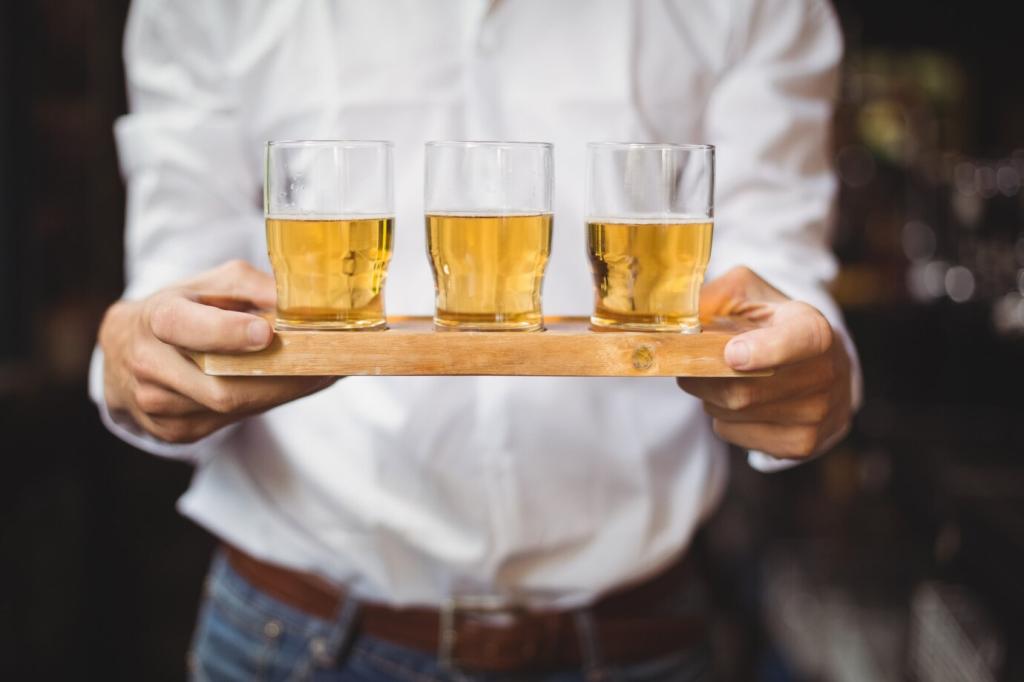
Progress from delicate, lower ABV expressions to bolder, higher ABV releases, finishing with peated or heavily sherried drams. This preserves sensitivity. Share your favorite flight orders and subscribe for curated, theme-based tasting lineups.
The Nosing Ritual: Unlocking Aromas Before the First Sip
Hover the rim just below your nose, open your mouth slightly, and breathe softly to avoid ethanol sting. Keep the glass still; swirl minimally. Share your comfort angle and follow for guided aroma exercises and breathing cues.
The Nosing Ritual: Unlocking Aromas Before the First Sip
Identify quick, volatile citrus or floral highs, then the heart—grains, orchard fruit, caramel—finally the base of oak, spice, and smoke. Comment your layered discoveries and subscribe for printable aroma maps and seasonal scent drills.
Palate Technique: From Primer Sip to Flavor Crescendo
Your first sip should be small and brief, simply acquainting your mouth with alcohol and temperature. This reduces shock. Share your experience with primer sips and subscribe for step-by-step warm-up routines that refine sensitivity.
Palate Technique: From Primer Sip to Flavor Crescendo
Gently roll the whiskey to observe sweetness on the tip, acidity along the sides, and bitterness or umami toward the back. Discuss your flavor map discoveries and follow for guided sensory drills that build consistent recognition.
Decoding the Finish: Timing, Evolution, and Memory
Use a timer to classify finishes as short, medium, or long, noting when flavors fade or transform. Share your longest finish so far, and follow for community benchmarks and finish journaling templates.
Tulip and Glencairn glasses concentrate aromas, while wide tumblers diffuse them. Try side-by-side tests with identical pours. Share your preferred glass, and subscribe for data-driven comparisons of aroma intensity and note retrieval.
Bourbon casks often lend vanilla, coconut, and honeyed grain; sherry casks may emphasize dried fruits, leather, and spice. Share your contrast notes, and follow for blind tasting grids that train cask identification.
Cask, Grain, and Region: Comparative Technique
Malt can feel biscuity and orchard-fruited, corn sweeter and round, rye spicy and herbal. Taste flights by grain type. Post your standout grain discoveries, and subscribe for weekly grain-focused tasting drills.
Build Your Flavor Vocabulary and Tasting Journal
Start broad—fruity, floral, spicy, woody—then subdivide into apple, pear, clove, sandalwood. Customize over time. Share your wheel snapshots, and subscribe for printable templates and monthly vocabulary expansion prompts.
Build Your Flavor Vocabulary and Tasting Journal
Smell pantry items—vanilla pods, black tea, orange zest—to anchor references. Rotate practice sets weekly. Post your favorite training trio, and follow for structured scent kits using everyday ingredients and timed recognition drills.